The Cultural Significance of Bells: A Journey Through Time
Bells can carry very different meanings depending on where, when and how they are used. A bronze bell in a musical ensemble, a ritual handbell and a ship's bell share a familiar form, but their roles are not interchangeable. Looking at specific examples gives a clearer picture than treating every bell tradition as the same.
Bronze bells in early China
The Metropolitan Museum of Art holds a Chinese niuzhong bell dated to the early fifth century BCE. Its collection record explains that sets of bells accompanied ritual ceremonies as well as less formal occasions during the Zhou period. These clapperless bells were sounded with mallets, unlike a handbell with an internal ringer.
This example shows how bells could be both musical instruments and carefully made ceremonial objects. It does not establish a single origin for all bells.
Ritual handbells in Tibetan Buddhism
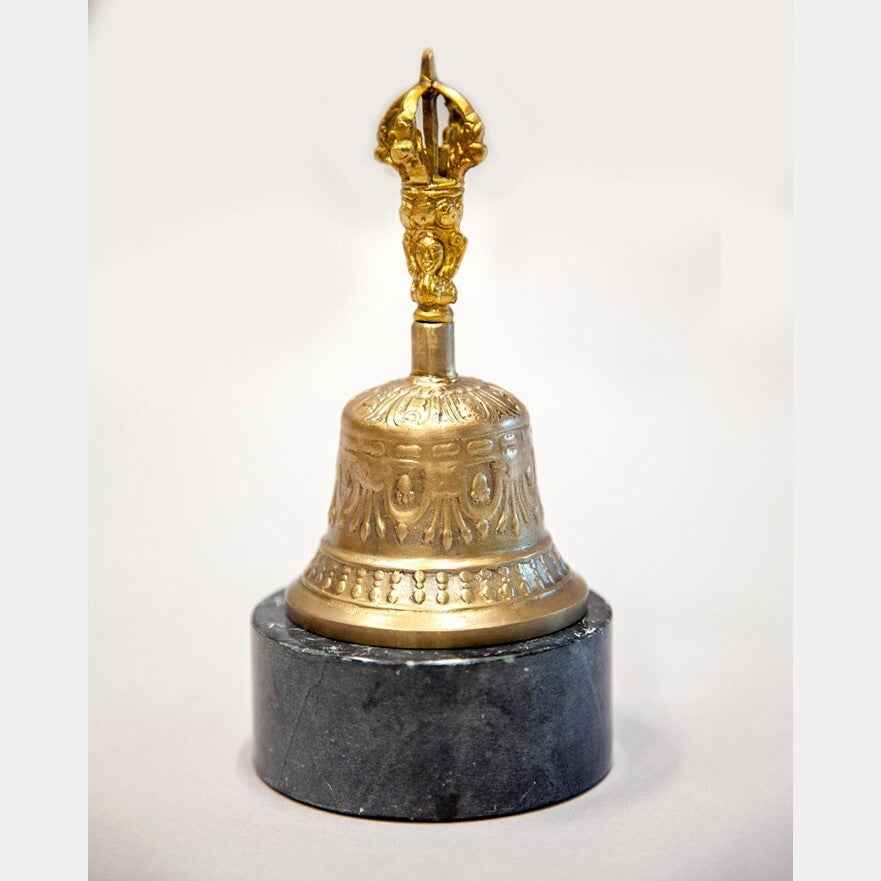
In Tibetan Buddhist ritual, a bell can be used with a vajra, also called a dorje. The Walters Art Museum describes the bell as representing wisdom and the vajra as representing compassionate action and intention. The Met also documents a matched bell and dorje used during ritual recitation.
These meanings belong to a particular religious context. They should not be reduced to a general claim that any bell removes negative energy, brings luck or provides a health benefit. Practice and interpretation also depend on the tradition and setting.
Bell Bazaar's Tibetan-style meditation bell, 8.25-inch option is a current retail product, not one of these museum objects. Compare its selected dimensions and included accessories on the product page; a historical description does not establish an individual product's age, provenance or ritual suitability.
Bells as a call to worship
In the Church of England, bells have a defined role in calling people to services. Its church-care guidance refers to Canon F8, which provides for a bell to ring people to service. This is a specific example of a community using sound to gather people, rather than a claim that every Christian church follows identical ringing customs.
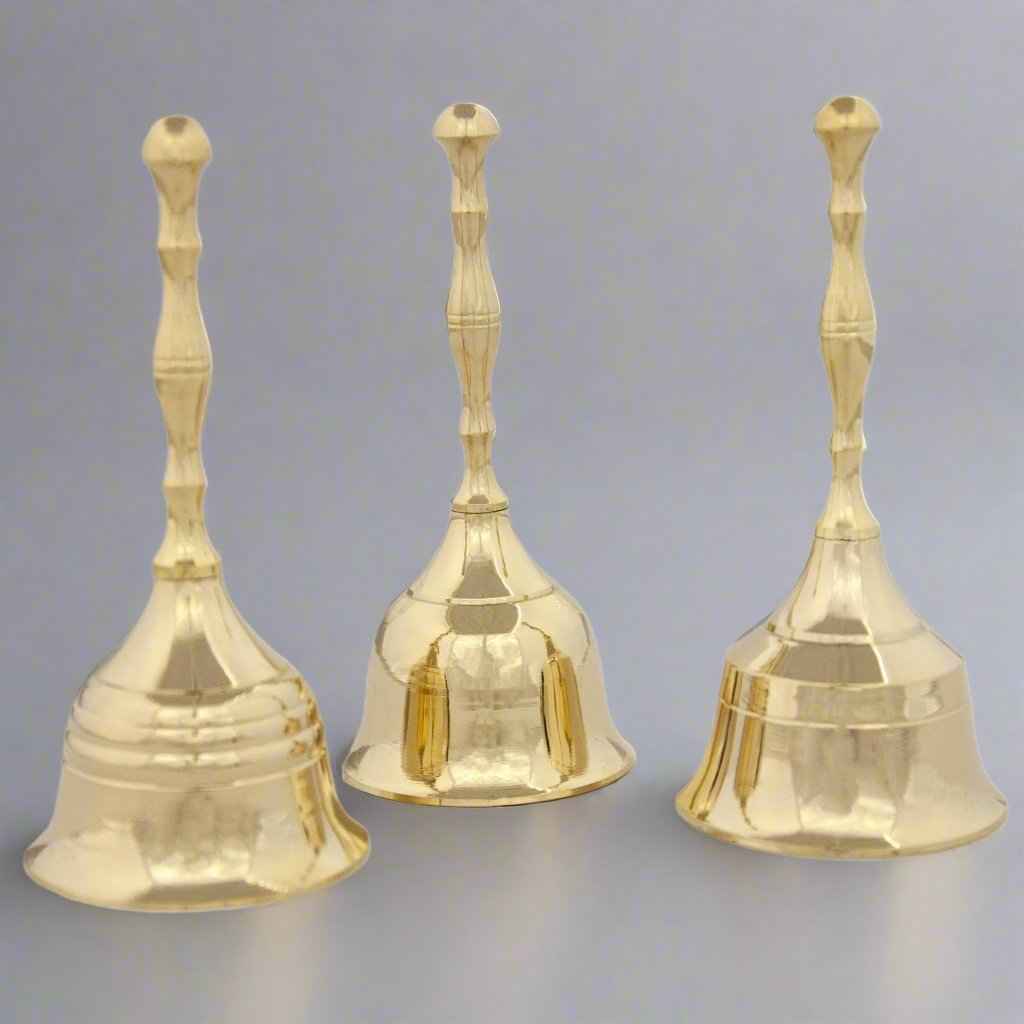
A small handbell, such as our polished brass handbell, can also serve as an agreed signal for a gathering, although it is a different object from a tower bell.
Keeping time aboard a ship
Royal Museums Greenwich describes how bells structured life aboard Cutty Sark. Bell strokes marked half-hour intervals during a watch, with eight strikes marking its end or change. The ship's bells also called the crew and sounded alarms.
For a nautical display today, our nickel-plated brass ship's bell offers a bracket and rope ringer. Its decorative use does not make it certified marine safety equipment.
Bells in present-day projects
A bell can also be chosen for a craft project or a decorative arrangement without claiming a particular ceremonial role. Our cross-cut brass ghungroo bells, 12-bell option have attachment loops and are one style to compare for such projects. Check the selected size and pack quantity before ordering, and keep their current product details separate from the museum examples above.
Appreciating a bell's context
When choosing a bell, consider both its practical features and the tradition or design that interests you. Museum records can help explain historical objects; current product descriptions should explain the dimensions, materials and accessories of the item being sold. Keeping those two kinds of information distinct makes it easier to choose with care.
To compare current handheld styles, browse our Handbells collection, or contact Bell Bazaar with questions about a particular product.